Source Auto Parts Bra for Sport Lines, Nightwear, and Bikini
Find 30 auto parts bra options for sport lines, nightwear, and bikini applications. Compare silicone and nylon materials, including push-up pads and seamless styles, to identify suitable suppliers and pricing; compare the available evidence and request quotations based on your requirements.
Key considerations
Products List






Comprehensive Sourcing Guide
Auto Parts Bra Sourcing Guide
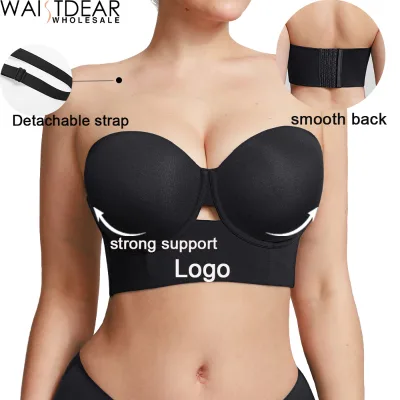
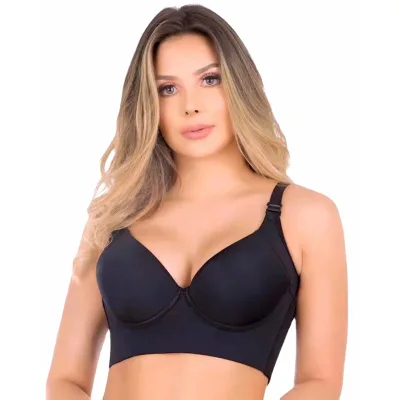
The term "auto parts bra" in this context refers to specialized undergarment components, specifically bra cups and pads, which are often marketed with automotive-inspired styling or utilized in industrial textile applications. Buyers must distinguish between actual automotive hardware and these textile products, as the listing signals indicate a focus on lingerie and sportswear rather than vehicle mechanics. The observed product range includes items like push-up pads, seamless cups, and nursing bra components, all originating from manufacturing hubs in China.
Procurement strategies should prioritize suppliers who explicitly list customization capabilities for these textile items, as the data confirms options for group clothing, bikinis, and sexy lingerie. The market offers a wide variety of styles, including backless, strapless, and wire-free designs, catering to diverse consumer needs from sport lines to nightwear. Understanding this distinction ensures that buyers target the correct supply chain segment for textile accessories rather than mechanical automotive parts.
Product Scope and Observed Listing Signals
The current market listings reveal a diverse array of bra components, ranging from solid patterned silicone pads to knitted nylon cups available in multiple colors. Buyers will encounter specific product models such as 121002 and 2122, which feature distinct attributes like three-quarter cup shapes or full cup designs. These items are often described with features such as "sexy," "invisible," or "nursing," indicating a broad scope that spans from everyday wear to specialized fashion lingerie.
Listing signals also highlight significant variability in minimum order quantities, with some suppliers requiring as few as 10 pieces per color while others demand 5,000 units. Payment terms vary widely, including L/C, T/T, and digital platforms like Wechat and Alipay, reflecting the flexibility of the supply base. Buyers should carefully review the specific product number and color options, such as the seven-color range or specific palettes like black, white, and skin tones, to ensure alignment with their inventory requirements.
Technical Specifications to Verify
When evaluating technical specifications, buyers must verify the material composition, as listings show a mix of silicone, nylon, and woven or knitted technics. The product standards range from S to XXXL, with some items offered in a free size, while others specify detailed sizing from S to 4XL. It is critical to confirm the cup shape, whether it is a three-quarter cup, full cup, or push-up variant, as these structural differences significantly impact the fit and function of the final garment.
Manufacturing processes also vary, with some products utilizing embroidery and gold stamp crafts while others focus on seamless or wire-free construction. Buyers should verify the specific bra part type, such as bra cups, push-up pads, or adjusters, to ensure the component matches the intended assembly. Additionally, checking the packing specifications, such as carton boxes or individual unit packaging, is essential for logistics planning and inventory management.
Compliance and Safety Documentation
While the provided data does not explicitly list specific safety certifications, buyers must request documentation regarding material safety and chemical compliance for all textile products. The presence of silicone and nylon materials necessitates verification that these substances meet international safety standards for skin contact, particularly for items marketed as sexy lingerie or nursing bras. Without explicit certification data in the listings, the burden of proof lies with the supplier to demonstrate that their products are free from harmful substances.
Buyers should also inquire about the origin of the materials and the manufacturing environment to ensure ethical compliance. Although ISO 9001 is mentioned in background notes, it should not be assumed as a guaranteed standard for every listed product without direct verification. Procurement teams must establish a protocol for requesting test reports on flammability, colorfastness, and material durability before finalizing any bulk orders to mitigate potential liability risks.
Cost Drivers and Commercial Terms
The observed price range of 0.5 to 14 USD per unit indicates that costs are heavily influenced by material choice, customization level, and order volume. Silicone and embroidered items likely command higher prices compared to basic knitted or woven nylon products. Buyers should anticipate that complex features like gold stamping or specific cup shapes will increase the unit cost, while larger order volumes may help negotiate better rates within the observed range.
Commercial terms are flexible, with MOQs ranging from 10 pieces to 5,000 units depending on the supplier and product complexity. Payment methods include traditional bank transfers and digital wallets, offering various levels of security and convenience. Buyers must carefully calculate the total landed cost, factoring in the specific packing requirements, such as 1PC per carton, and the potential for additional shipping fees based on the product origin in Guangdong, China.
Supplier Qualification and Quality Control
Supplier qualification should focus on verifying their ability to handle customization requests, as the data confirms that customization is available for various garment types. Buyers must assess the supplier's capacity to maintain consistency across different product models, such as 121006 or 399, which may have distinct technical requirements. It is advisable to request samples of the specific bra parts, such as the push-up pads or nursing bra cups, to evaluate the quality of the weave, knit, or silicone molding.
Quality control protocols must address the variability in product standards, which range from free sizes to specific measurements like 20205Hcm. Buyers should implement a rigorous inspection process to check for defects in the gold stamp craft or the integrity of the wire-free support. Establishing clear acceptance criteria for color accuracy and material texture is essential, given the wide array of colors and styles available in the market.
Long-Term Procurement Checks
For long-term procurement, buyers should monitor the stability of the supply chain, particularly regarding the origin of goods from China and the consistency of lead times. The availability of specific product models and colors may fluctuate, so maintaining a relationship with suppliers who can guarantee stock levels for popular items like the 7-color range is crucial. Regular audits of the supplier's production capabilities will help ensure they can scale up or down based on seasonal demand for lingerie and sport lines.
Buyers must also track changes in product specifications and standards over time, as the market for bra components is dynamic. Keeping a detailed record of successful transactions, including payment terms and packing efficiency, will facilitate smoother future negotiations. Continuous communication with suppliers regarding new technologies, such as advanced embroidery or seamless techniques, will help buyers stay competitive and offer the latest styles to their end customers.
FAQs
What materials are used for auto parts bra components?
The product utilizes silicone and nylon materials for its construction. Silicone is used for specific bra parts like push-up pads, while nylon is employed for nursing bra styles. These materials ensure durability and comfort for various lingerie applications.
Can I customize the auto parts bra with my logo?
Yes, customization is available for these bra components. Buyers can request specific designs for group clothing, sport lines, or lingerie items. The process includes options like gold stamping and embroidery to meet unique branding requirements for different product models.
What is the minimum order quantity for these bras?
The minimum order quantity varies by style. For some models, the MOQ is 100 pieces per color, while others require only 10 pieces per color per size. This flexibility allows buyers to test market demand with lower initial inventory commitments.
Which cup sizes and shapes are available for these bras?
Available options include B cup sizes with three-quarter or full cup shapes. The product line features seamless, push-up, and nursing bra styles. These variations cater to diverse fit preferences and functional needs for different lingerie and apparel applications.
Where are these auto parts bras manufactured?
These products originate from China, specifically Guangdong. The manufacturing location supports efficient production and shipping logistics. Buyers can expect standard packaging in carton boxes for safe delivery of the lingerie components to international destinations.
What payment methods are accepted for these orders?
Accepted payment methods include L/C, T/T, WeChat, and Alipay. These options provide flexibility for international and domestic transactions. Buyers can choose the method that best suits their financial processes and regional banking preferences for secure order completion.